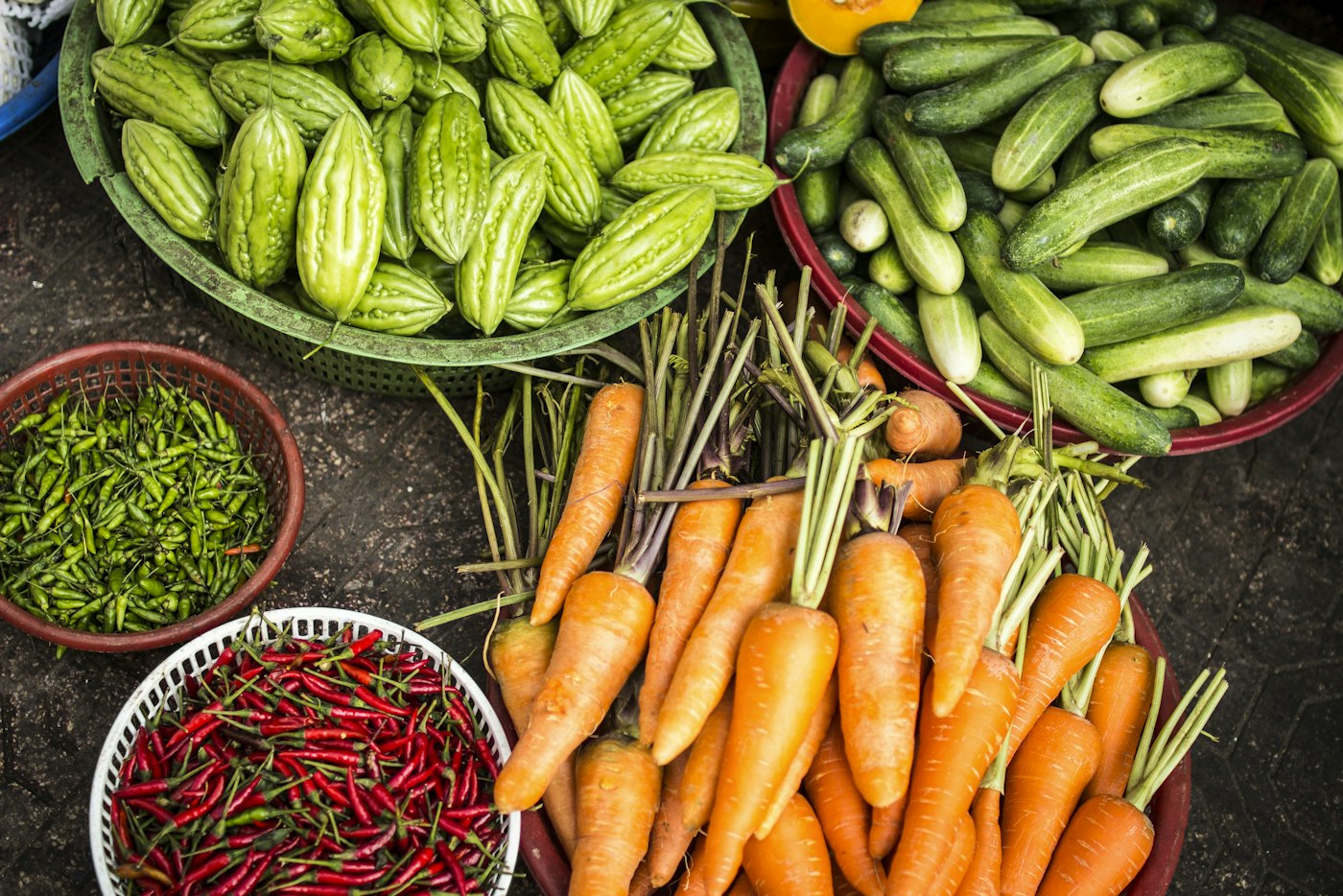
Three years ago, Sarah Mitchell stood in her kitchen holding a tomato that tasted like water. She had bought it from a major supermarket chain, and it looked perfect. Flawless red skin. Uniform size. But the moment she bit into it, something felt wrong.
That tomato had traveled over 2,400 kilometers to reach her plate. It had been picked green, gassed with ethylene to turn red, and stored in refrigerated warehouses for weeks. The result was a beautiful shell with no soul.
This is not an isolated incident. Research published in the Journal of Agricultural and Food Chemistry demonstrates that commercially grown produce loses 15-77% of its vitamin C content within a week of harvest [1]. When you factor in the transit time from distant farms, what arrives on your table is nutritionally diminished.
What Changed When Distance Disappeared
Sarah started asking questions. Where was her food actually coming from? Who grew it? How long had it been sitting in storage?
The answers led her to local farmers who were growing food the way it had been done for centuries. Small plots. Crop rotation. No synthetic pesticides. Vegetables picked at peak ripeness, not engineered for shelf stability.
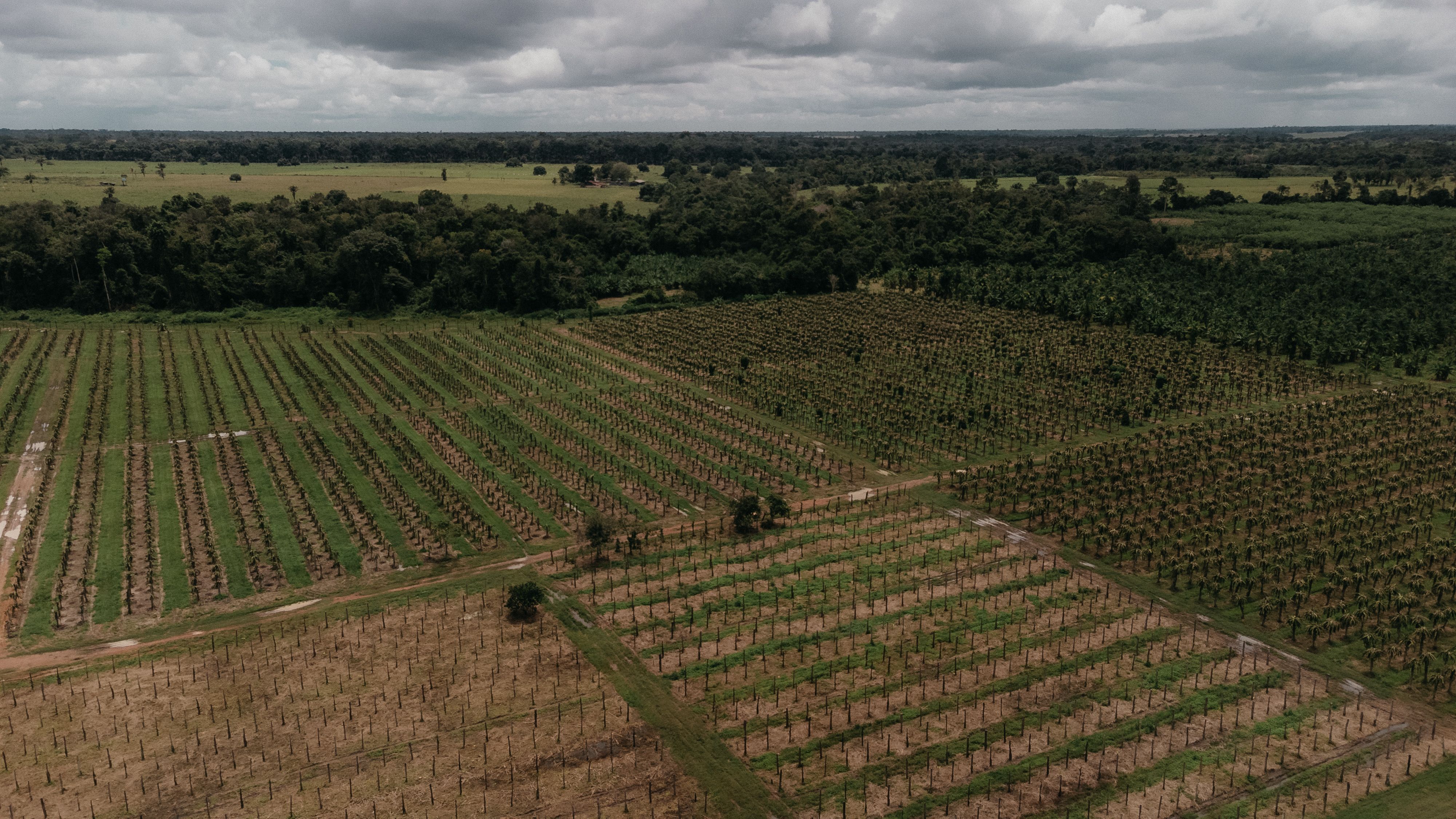
The difference was immediate. Tomatoes that burst with flavor. Lettuce that stayed crisp for days. Carrots so sweet they tasted like they had been glazed with honey.
Studies from the American Journal of Clinical Nutrition confirm what Sarah experienced firsthand. Organically grown vegetables contain significantly higher levels of polyphenolic compounds, which may support cardiovascular health and reduce oxidative stress [2].
The Hidden Cost of Industrial Agriculture
Most people do not realize how food production has transformed over the past fifty years. Industrial farms prioritize yield and appearance over nutritional density. Crops are bred to withstand long-distance shipping, not to deliver optimal nutrition.
Soil health has declined dramatically. A 2020 study in Frontiers in Sustainable Food Systems found that intensive farming practices have depleted soil nutrients at alarming rates, directly impacting the mineral content of our food [3].
When soil is treated as an inert medium rather than a living ecosystem, the food it produces reflects that neglect.
"I thought I was eating healthy because I was buying vegetables every week. Then I switched to local farm produce and realized I had never actually tasted real food before. My energy levels changed within two weeks."
What Local Farming Actually Means
Local farming is not just about geography. It is about a fundamentally different approach to food production.
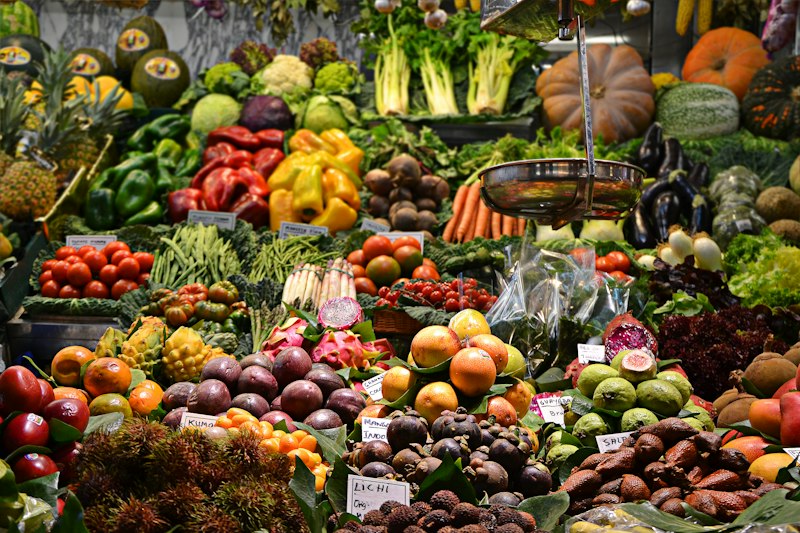
Small-scale farmers can rotate crops naturally, allowing soil to regenerate. They can harvest at optimal ripeness because the food does not need to survive a week in transit. They can grow heirloom varieties that taste extraordinary but would never survive industrial distribution networks.
The result is food that actually nourishes rather than just filling space on a plate.
Nutritional Density: What Science Shows
Research continues to demonstrate the connection between farming practices and nutritional outcomes. A meta-analysis in the British Journal of Nutrition found that organic crops have higher concentrations of antioxidants compared to conventional alternatives [4].
These compounds may help reduce inflammation and support immune function. While individual results vary, the broader pattern is clear: how food is grown directly affects its nutritional profile.
"My family has been eating farm-fresh produce for six months now. The biggest change is how food tastes. My kids actually ask for vegetables at dinner. That alone justifies everything."
How to Access Farm-Fresh Food
The challenge has always been accessibility. Most people want to support local farmers but do not have the time to visit multiple farm stands every week.
This is where coordinated eco-market systems become essential. Instead of navigating fragmented supply chains, you can access a curated selection of seasonal produce from verified local farms.
See Available OptionsFarm-Direct Service Options
We work directly with local farmers to bring you food that was growing in the ground just days ago. Each option is designed around different needs and household sizes.