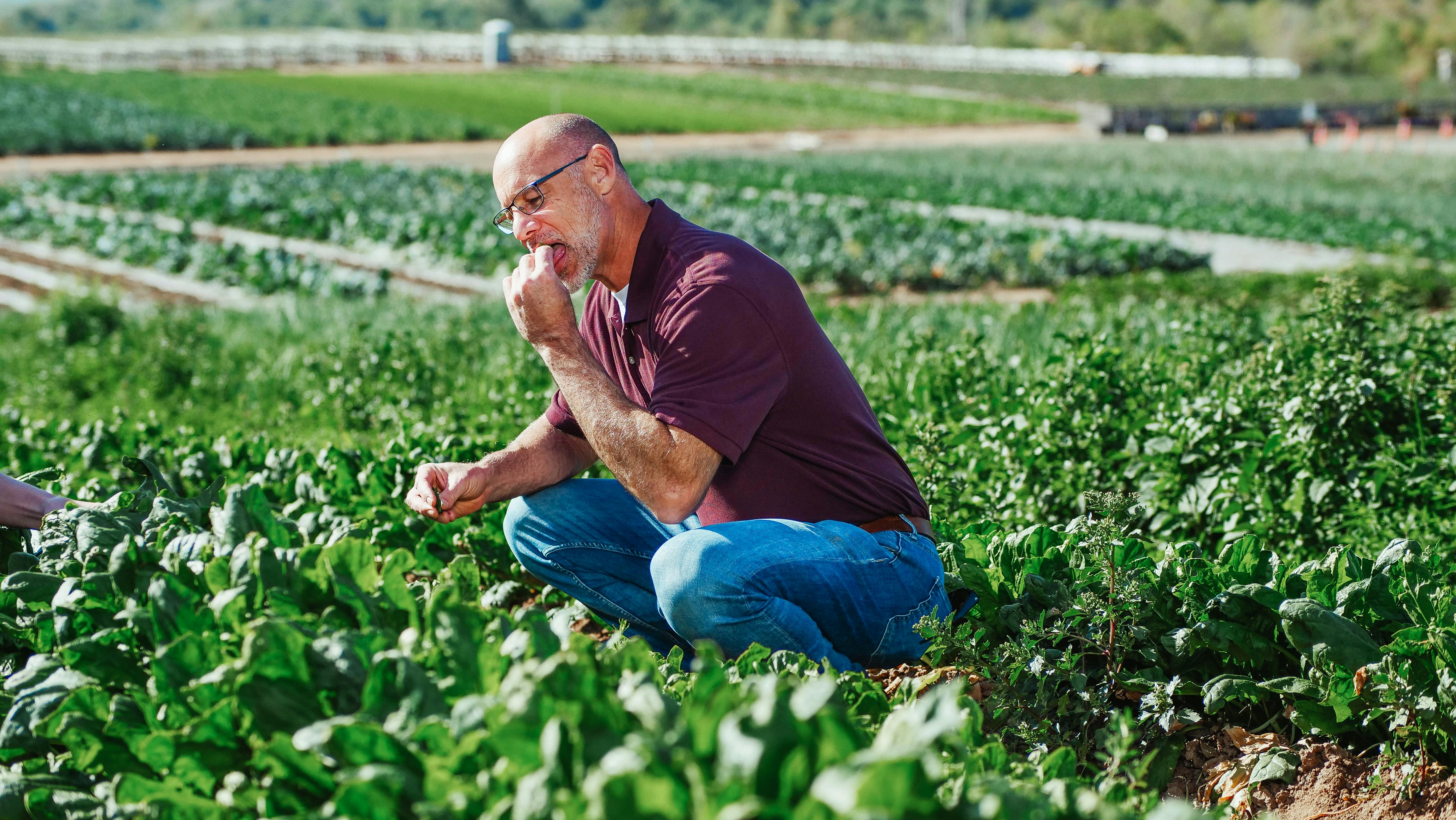
Tide Panther began in a conversation between a farmer and a mother who both felt something was broken in how food reached tables.
Daniel Hughes had been farming organically for twelve years near Hawke's Bay. He grew exceptional produce but struggled to find buyers who valued quality over volume. Supermarkets wanted uniform size and year-round availability. His heirloom tomatoes and heritage carrots did not fit their distribution model.
Meanwhile, Jessica Clarke stood in a grocery store holding a bag of spinach that had traveled from another continent. It was wilted. Expensive. And completely disconnected from anything resembling a farm.
The Problem Was Structural
Both Daniel and Jessica understood the issue was not about individual choices. The entire food distribution system had evolved to prioritize shelf stability and mass production over flavor and nutrition.
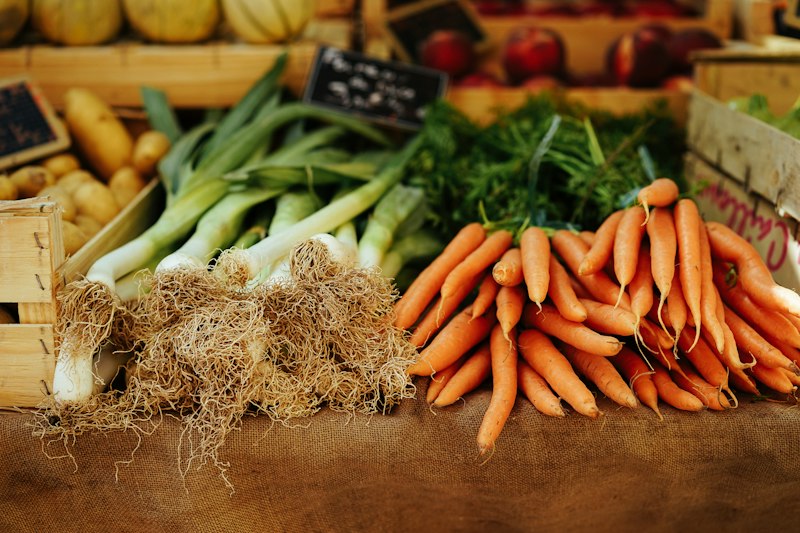
Small farmers were priced out of major distribution networks. Families who wanted better food had to spend hours every week visiting scattered farm stands. There was no efficient way to connect them.
Tide Panther started as a test. Could a network be built that worked for both sides? Farmers could focus on growing exceptional food. Families could access it without navigating complex logistics.
How We Select Our Farmers
We do not work with every farm. Our selection process is specific.
First, the farm must be within 80 kilometers of our distribution hub. Distance matters. The shorter the time between harvest and delivery, the better the nutritional retention and flavor.
Second, the farm must use regenerative practices. We verify soil health, crop rotation methods, and water management. Industrial monoculture farms are excluded regardless of size.
Third, we taste everything. If the food does not taste exceptional, it does not matter how sustainable the farming method is. Quality cannot be compromised.
"Working with Tide Panther changed how I farm. I can finally grow varieties that taste amazing instead of varieties that ship well. And I get paid fairly for it."
What Makes This Model Work
Traditional food distribution involves multiple intermediaries. Each one takes a cut. By the time food reaches consumers, farmers receive a fraction of the retail price while customers pay premium rates for degraded quality.
Our model eliminates those layers. Farmers receive fair payment. Customers pay reasonable prices. Food travels minimal distances and arrives at peak freshness.

This only works because we limit geographic scope. We are not trying to scale nationally. We are trying to rebuild regional food systems that function the way they did before industrialization.
Beyond Just Vegetables
Over time, we expanded beyond produce. Local dairies that use traditional methods. Beekeepers producing raw honey. Ranchers raising grass-fed beef on rotational grazing systems.
The common thread is integrity. Every product comes from someone we have met, whose land we have visited, whose practices we have verified.
This is not about nostalgia. It is about recognizing that industrial food systems optimized for the wrong variables. They prioritized scale and uniformity. We prioritize nutrient density and flavor.
Our Commitment
Every farm in our network is independently verified. We publish transparent sourcing information. If you want to know where your food comes from, we can tell you the exact plot of land, the farmer's name, and when it was harvested.
This level of traceability is rare in modern food systems. But it is essential. Trust requires transparency.
"I visited three of the farms that supply Tide Panther. Seeing where my food comes from completely changed how I think about eating. These are real people doing real work."
We are not trying to replace supermarkets. We are offering an alternative for people who want to reconnect with their food and support local agriculture.
If that resonates, we would be glad to have you join this network.
Explore Our Services